 Blendary Notes Hub
The Psychology of Light: Crafting Mood and Emotion in Visuals
Home > Blog > The Psychology of Light: Crafting Mood and Emotion in Visuals
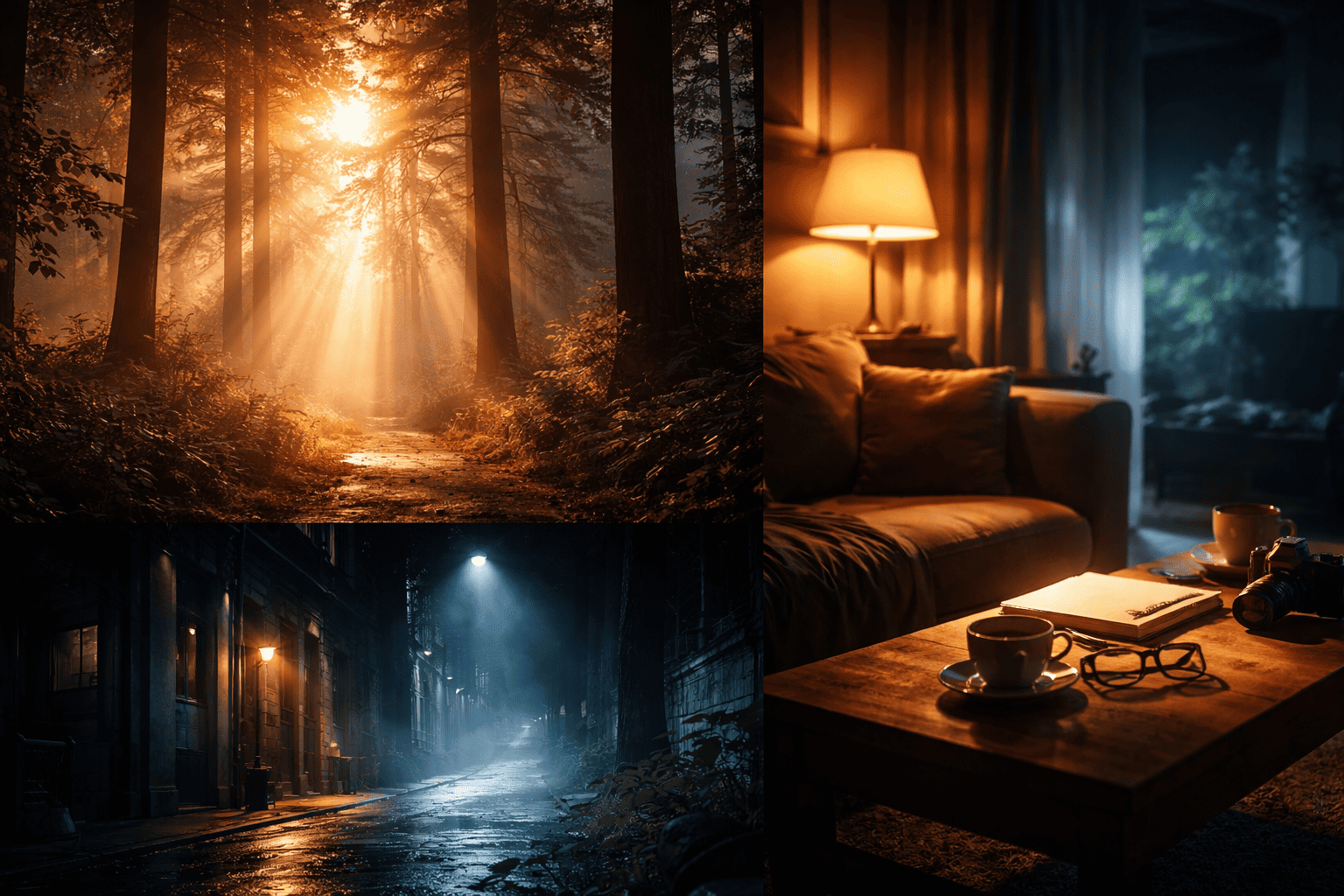
Light is more than just illumination; it is a fundamental language in visual communication, silently shaping our perception and emotional responses. In every image, film, or digital creation, the way light interacts with subjects and environments dictates how viewers connect with the narrative. Understanding this intricate relationship is paramount for crafting truly impactful visuals.
The subtle interplay of brightness, color, and shadow can instantly transform a scene from mundane to magnificent, from unsettling to serene. It's not merely about making things visible, but about guiding the eye, emphasizing details, and imbuing every element with psychological weight. Mastering this art allows creators to convey complex ideas and feelings without uttering a single word.
At a subconscious level, our brains are hardwired to interpret light in specific ways, associating certain qualities with safety, danger, warmth, or cold. This innate psychological response forms the bedrock of effective visual storytelling. A carefully chosen lighting scheme can evoke nostalgia, build tension, or inspire hope, directly influencing the viewer's emotional journey.
For professionals in design, photography, and digital art, leveraging the psychology of light is a strategic imperative. It empowers them to construct atmospheres that resonate deeply, ensuring their visual messages are not just seen, but felt. This deliberate manipulation transforms passive viewing into an active emotional experience, a core principle at Blendary Notes Hub.
The color temperature of light profoundly impacts emotional perception. Warm light (reds, yellows) evokes comfort, intimacy, and nostalgia, like a cozy sunset. These hues are inherently inviting. Conversely, cool light (blues, greens) suggests calmness, professionalism, or detachment, conveying vastness or solitude. This deliberate choice allows artists to immediately set the emotional stage, guiding the audience's psychological response.
Light intensity is equally crucial. Bright, high-key lighting communicates openness and optimism, minimizing shadows for clarity. Dim, low-key lighting introduces mystery, drama, and tension, with abundant shadows creating unease or curiosity. The interplay of color temperature and intensity creates complex emotional layers, allowing creators to guide mood and reinforce narrative themes effectively.
Light's direction and quality dramatically alter perception. Frontal lighting flattens features; side lighting adds depth. Backlighting creates mystery with silhouettes. Hard light, with sharp shadows, conveys strength; soft light, with diffused shadows, suggests gentleness. Each offers distinct psychological impact, guiding interpretation of character or situation. Mastering these elements is crucial for impactful visuals at Blendary Notes Hub.
Shadows are as potent as light in psychological influence. Not merely absence, they are active elements creating depth, defining form, and evoking powerful emotions. Shadows introduce mystery, suggesting hidden dangers, or provide comfort, creating intimacy. Their strategic placement guides the viewer's eye, controlling information flow and enhancing narrative mood, indispensable for visual artists.
The strategic application of light is a profound psychological art. By manipulating color temperature, intensity, and shadows, creators sculpt emotional experiences, ensuring visuals resonate with maximum impact.
Mastering light's psychology empowers professionals beyond aesthetics, delving into human perception. It builds compelling narratives that truly connect with audiences, fostering deep engagement.
Ultimately, understanding light's influence transforms creation into powerful communication. It allows for visuals that are not just seen but deeply felt, making every artistic choice a deliberate emotional statement.